
How to Measure an Axle for Proper Trailer Fit
Getting axle measurements right is essential for trailer safety, performance, and long-term durability. Whether you're replacing an axle or building a new trailer, even small measurement errors can lead to poor alignment, uneven tire wear, and suspension issues.
This quick guide introduces the key dimensions you need to know, along with how they impact overall trailer fit.
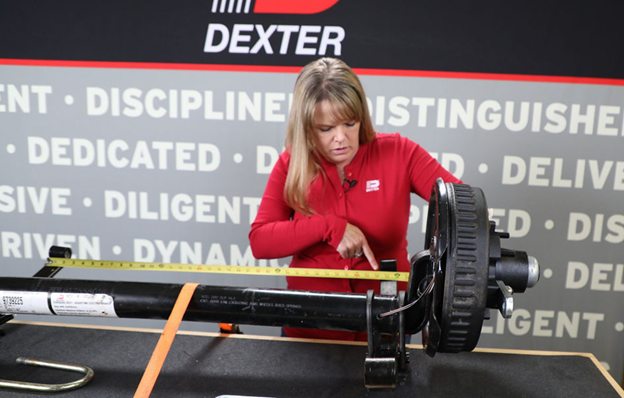
The Most Important Axle Measurements
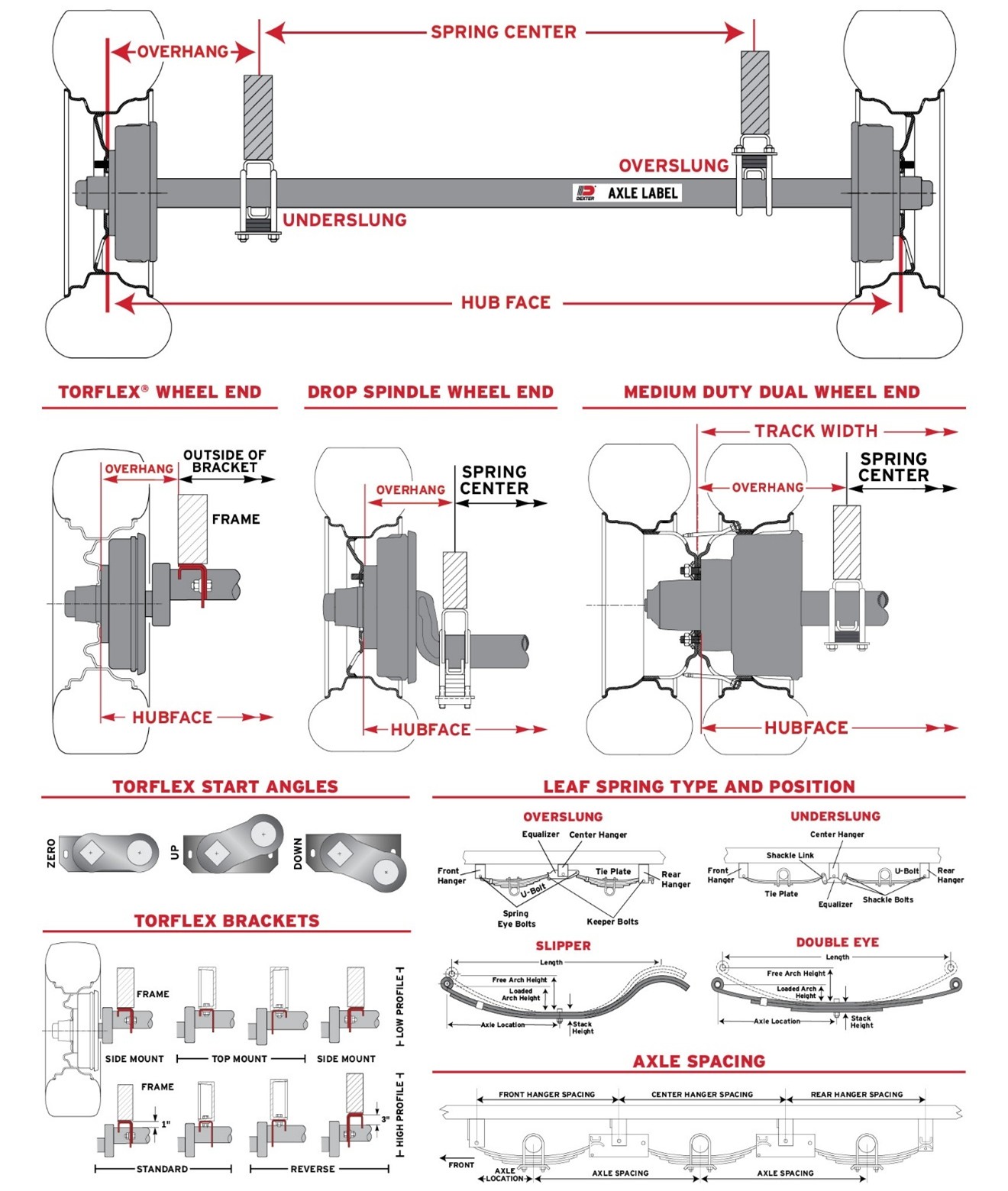
Hub Face (HF)
The distance from one wheel mounting surface to the other. This determines the overall width of your axle and directly affects tire alignment and clearance.
Spring Center (SC)
The distance between the centers of your suspension mounting points. This must match your trailer frame to ensure proper load distribution.
Overhang
The distance from the spring center to the hub face. This measurement influences weight distribution and axle stress.
Track Width
Common in dual-wheel setups, track width affects stability and proper tire positioning.
Suspension and Mounting Considerations
Axle configuration also depends on how it mounts to your suspension:
- Overslung vs. Underslung impacts ride height and clearance
- Leaf spring types (slipper vs. double eye) affect ride quality and setup
- Torflex® axles use start angles and bracket styles to fine-tune performance
Each of these factors plays a role in how your axle integrates with the trailer.
Why Accuracy Matters
Incorrect measurements can lead to:
- Improper axle fit
- Increased wear on tires and components
- Reduced towing stability
Taking the time to verify your dimensions ensures your trailer performs as intended.
Use the Full Dexter Axle Measurement Guide
This overview highlights the most critical dimensions, but proper axle selection often requires a deeper look at configuration details like hanger spacing, wheel ends, and suspension layout.
Use the full guide to walk through each measurement step-by-step and ensure a precise fit for your application.
Proper axle rating and wheel size selection are critical because both are directly affected by trailer measurements and overall load requirements. Choosing the correct axle capacity ensures the trailer can safely support the intended weight, while proper wheel and tire sizing helps maintain load capacity, stability, and overall performance.
Jump to Top